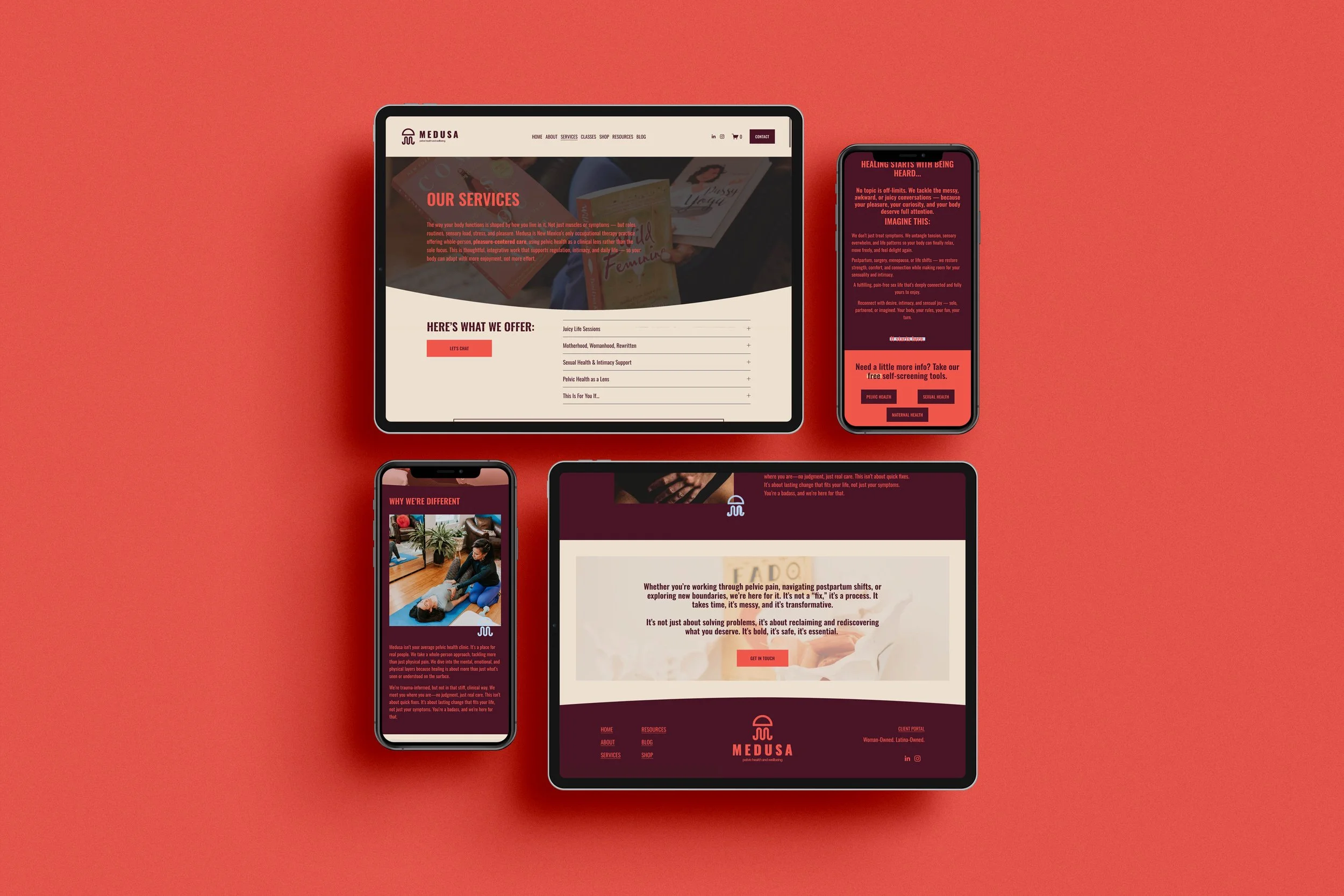
TL;DR: Standing out in a competitive healthcare market takes more than offering quality services. Effective healthcare marketing combines distinctive branding, a patient-friendly website, SEO, online reputation management, and targeted advertising. Together, these strategies help your practice get noticed, build credibility, and attract more patients.
What makes someone choose your healthcare practice over another offering the exact same services? Is it your expertise, the way your team treats patients, or something about your practice they simply connect with?
The truth is, patients need a reason to choose you, and that reason isn't always obvious at first glance. With the right healthcare marketing strategies, you can turn your practice's unique strengths into a competitive advantage. Let's explore five ways to make your practice stand out for the right reasons.
Why Is Having a Competitive Advantage Important in Healthcare?
Choosing a healthcare practice isn't always as simple as picking the closest one. Patients may browse websites, compare services, read reviews, and get to know the people behind a practice before making an appointment. All these little interactions shape their first impression. But here's the thing: you don't have to be different from your competitors in every possible way. What matters is knowing what your practice does well and making sure those strengths come through in your marketing.
Think about two healthcare practices offering the same services. One might be known for helping anxious patients feel at ease, while the other focuses on specialized treatments or more personalized appointments. Both have something valuable to offer, just to different patients. Having a clear healthcare competitive advantage helps patients understand why your practice might be the better choice for their needs. It gives them something more meaningful to consider than just location, pricing, or convenience.
How Can You Find Gaps in Your Competitors' Healthcare Marketing?
Being unique is important, but here's something healthcare practices sometimes overlook: your competitors can teach you a thing or two. What are they doing well? What's not working? And what are patients responding to? Experience can be an expensive teacher, so learning from what other practices have already tried can help you make more informed decisions. Take a closer look at their websites, marketing messages, patient reviews, and online presence to spot opportunities they may have missed.
This is actually one of the first things we look at when working with clients at Saltd Studio. We study the competitive landscape to understand what's happening in their industry, what resonates with their audience, and where there's room to do something different. It's not about copying what works for another practice. It's about finding ways to highlight our clients' strengths while making sure their marketing still feels relevant to the patients they want to reach.


What Are the 5 Best Healthcare Marketing Strategies to Stand Out From Competitors?
There's no single formula for standing out in a competitive healthcare market. From getting discovered to building patient trust, here are five healthcare marketing strategies that can help your practice make a stronger impression.
1. Differentiate Your Healthcare Brand
If you removed your practice's name and logo from your website, would patients still recognize what makes you different? Many healthcare brands use similar messaging, with words like compassionate, professional, and patient-centered appearing everywhere. While these qualities matter, they don't always tell patients what makes your practice unique. To find what sets your brand apart, consider:
Your approach to patient care: What can patients expect from their experience with your team?
Your specialties: Are there particular treatments, services, or patient needs you focus on?
Your practice's personality: How do you want patients to feel when they interact with your practice?
Your ideal patients: Who are you trying to reach, and what matters most to them?
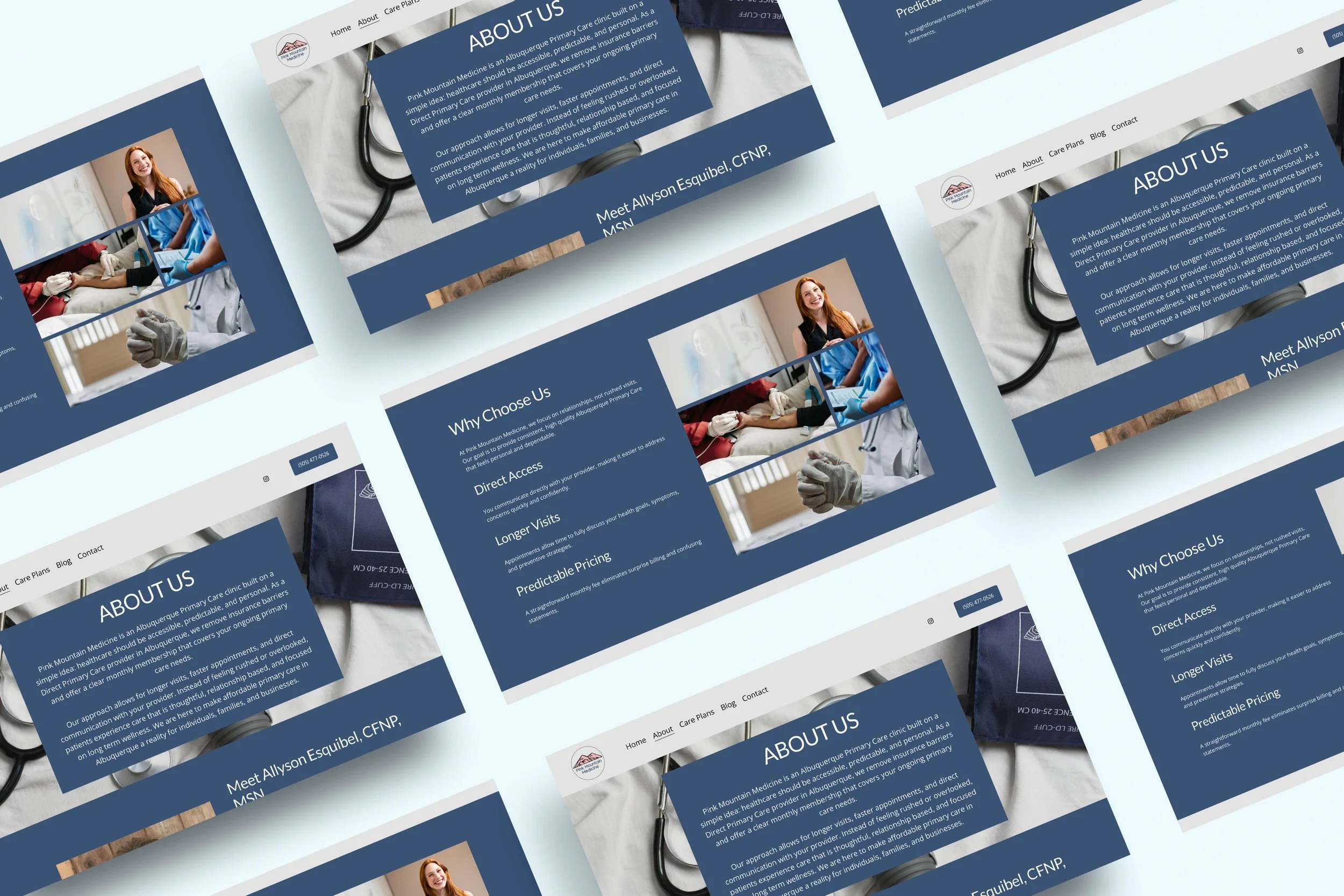
Now, bring those qualities to life through your brand messaging, visual identity, photography, and communication. A thoughtful healthcare branding strategy can help you connect these elements and create a more recognizable identity. For example, if your practice prides itself on creating a relaxed, welcoming environment, your branding shouldn't feel cold or intimidating. Give patients a sense of that experience before they even walk through your doors.
2. Go Beyond a Generic Healthcare Website
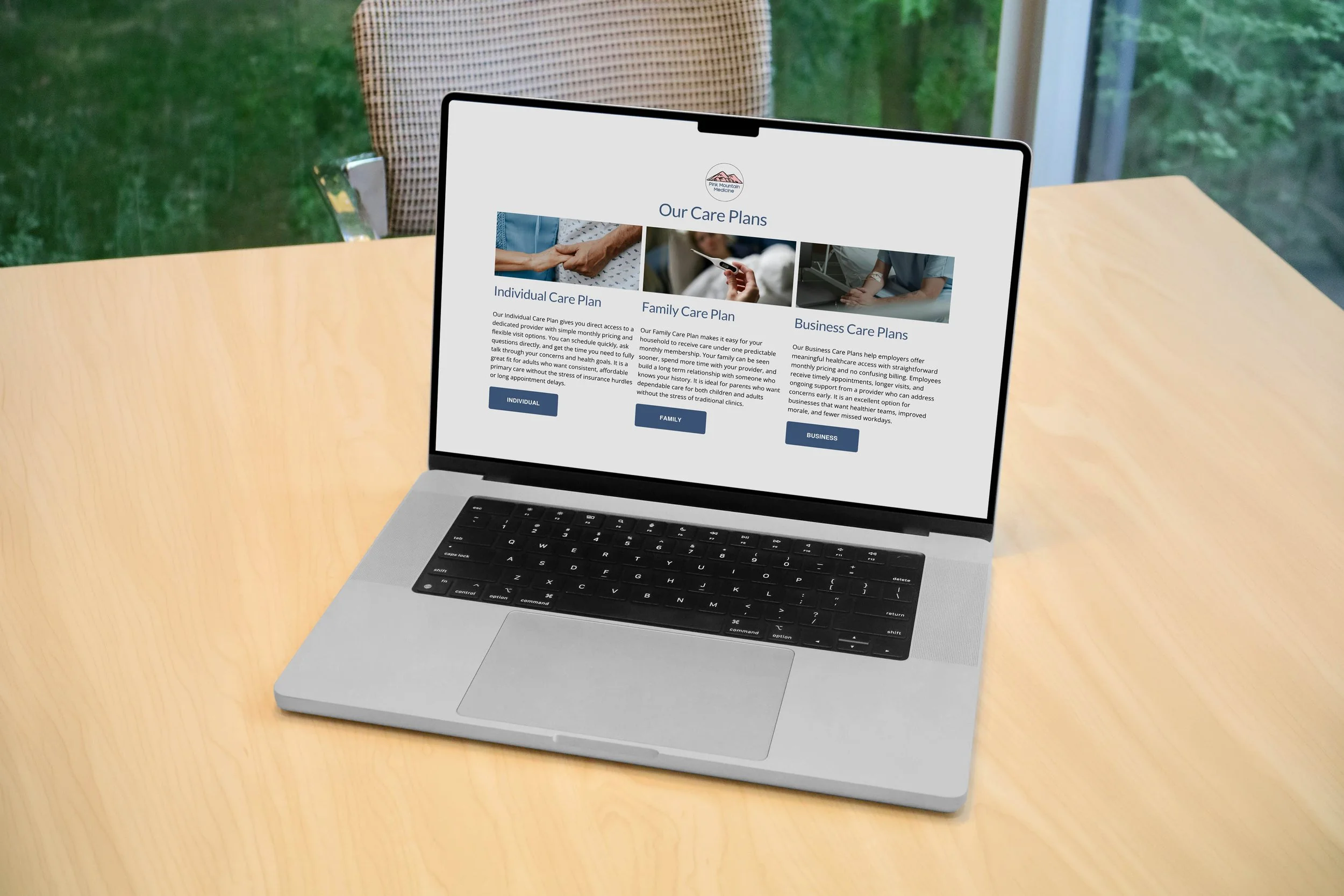
Your website is one of the best places to show patients what makes your practice different. But if it looks and sounds like every other healthcare website, that opportunity can easily get lost. A generic template filled with stock photos might get the job done, but does it really capture your practice's personality? Here are a few ways to make your website stand out:
Choose a design that reflects your brand: A custom website gives you more freedom to create a distinctive look and experience. If you're using a template, personalize it with your brand's colors, typography, and unique design elements.
Use original photography: Give patients a genuine look at your team, facilities, and practice environment instead of relying entirely on stock images.
Make your website easy to find: Build with SEO in mind so potential patients can discover your practice through relevant Google searches.
Create helpful, easy-to-navigate pages: Organize your services clearly and answer common patient questions without making visitors search through multiple pages.
Make booking simple: Use clear calls to action and mobile-friendly appointment options so interested patients know exactly what to do next.
A website that stands out should do more than look different. It should feel like an extension of your practice, giving patients a clear picture of who you are, what you offer, and why they might choose you over another option.
3. Improve Your Online Visibility With SEO
Having a great healthcare brand is one thing. Making sure people can actually find it is another.
Search engine optimization (SEO) helps your practice become more visible when potential patients search for healthcare services. But your online presence goes beyond your website. Your Google Business Profile, online directories, and social media platforms can also help people discover and learn about your practice.
Here are a few ways to strengthen your online visibility:
Optimize your Google Business Profile: Keep your business information accurate and complete, including your services, location, hours, and contact details.
Target relevant search keywords: Use terms that reflect your services, specialties, and location to reach patients actively searching for what you offer.
Maintain consistent business information: Make sure your practice's name, address, and phone number are accurate across online directories and listings.
Build your social media presence: Share relevant updates and engage with your audience to expand your reach. You can also explore Instagram and TikTok SEO to make your content easier to discover through social searches.
Create valuable content: Publish educational blogs, service information, and other resources that answer patient questions and support your search visibility.
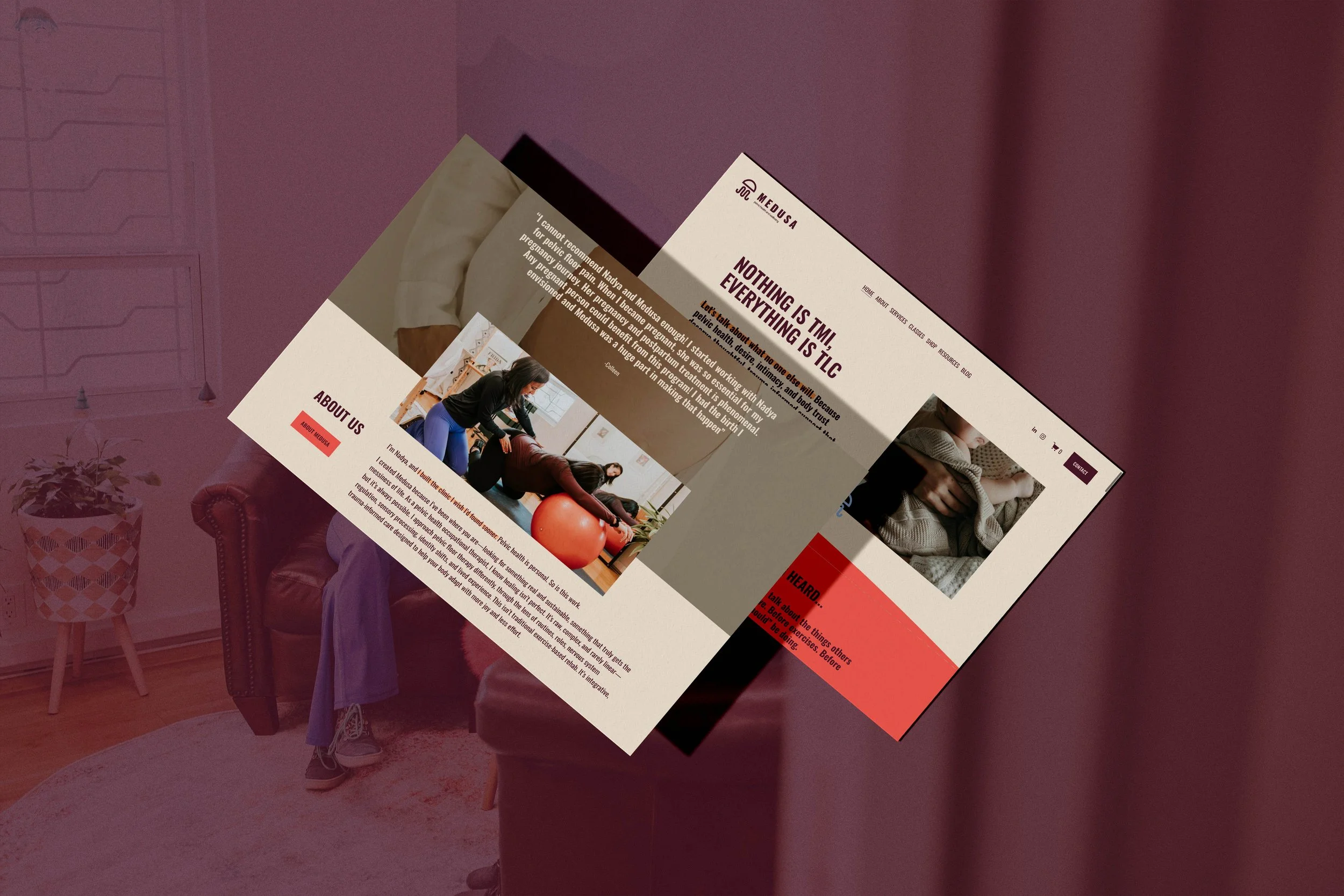
We've seen how much of a difference consistent SEO efforts can make for healthcare practices. In our work with a direct primary care practice, we saw a 32% increase in organic clicks, showing how thoughtful website content and optimization can improve search visibility over time. The more places patients can discover your practice, the more opportunities you have to make an impression. Just remember that visibility isn't about being everywhere. It's about showing up where your potential patients are looking and making it easy for them to learn more about you.
4. Strengthen Your Online Reputation
You can tell potential patients that your practice is welcoming, attentive, and professional. But hearing it from someone who's actually been there? That can make a bigger impression. Patient reviews give people a glimpse into real experiences, from how your team communicates to how smoothly appointments are handled. And when patients are comparing their options, those little details can influence their decision.
Here are a few ways to build and maintain a positive online reputation:
Encourage honest patient reviews: Invite patients to share their experiences through appropriate review platforms without pressuring them to leave positive feedback.
Monitor your online reputation: Regularly check Google reviews and other relevant platforms to understand what patients are saying about your practice.
Respond to feedback professionally: Acknowledge reviews respectfully while protecting patient privacy. Avoid confirming someone's patient status or disclosing treatment details.
Highlight patient testimonials: With appropriate consent, feature genuine patient experiences in your marketing while following applicable healthcare advertising guidelines.
Learn from patient feedback: Look for recurring comments that can help your team identify strengths and areas for improvement.
Remember, a strong reputation starts with the experience you provide, not just the reviews you collect. When patients consistently experience the qualities your marketing promises, their feedback can help reinforce what makes your practice worth choosing.
5. Use Targeted Advertising to Reach the Right Patients
Sometimes, you need a little extra visibility, especially when promoting a new service or reaching patients in a competitive area. Paid advertising allows you to put your healthcare practice in front of relevant audiences based on factors like location and search intent, subject to platform policies and healthcare advertising restrictions. The key is making sure your ads reach people who are likely to be interested in what you offer.
Here are a few ways to make your healthcare advertising more effective:
Choose the right advertising platforms: Use Google Ads to reach people actively searching for relevant services, or social media ads to introduce your practice to a broader audience.
Target your local market: Focus your campaigns on the geographic areas your practice serves rather than spending money reaching people too far away.
Promote specific services: Create focused campaigns around treatments, specialties, or services you want to highlight while following applicable advertising policies.
Create compelling ad messaging: Communicate what makes your practice worth considering instead of relying on generic promotional claims.
Track your campaign performance: Monitor clicks, inquiries, appointment requests, and advertising costs using privacy-conscious tracking methods to understand which campaigns are delivering results.
You don't need the biggest advertising budget to make an impact. A well-planned campaign with a clear message and the right audience can help your practice get noticed without wasting resources on people who aren't looking for your services.
Each of these strategies plays a different role in helping your practice stand out, but they work best when they're connected. The key is choosing the right mix for your practice and making sure every effort supports the experience and value you want patients to associate with your brand.
Frequently Asked Questions
What Is the Most Effective Marketing Strategy for Healthcare?
The most effective healthcare marketing strategy depends on your target patients, services, and business goals. A combination of clear brand positioning, a user-friendly website, local SEO, and reputation management can help your practice attract patients and build credibility.
How Can Small Healthcare Practices Compete With Larger Organizations?
Small healthcare practices can compete by emphasizing strengths such as specialized expertise, personalized communication, and a more familiar patient experience. Rather than trying to match larger organizations' marketing budgets, focus on reaching the patients who are most likely to value what your practice offers.
How Much Should a Healthcare Practice Spend on Marketing?
Your healthcare marketing budget should reflect your practice's size, growth goals, competition, and available resources. Consider the cost of attracting new patients and prioritize strategies that support sustainable growth rather than relying on a fixed percentage alone.
How Long Does It Take to See Results From Healthcare Marketing?
Paid advertising may generate inquiries relatively quickly, while SEO, content marketing, and brand-building typically take longer to establish momentum. The timeline depends on your starting point, local competition, and how consistently your marketing strategies are implemented.
What Are the Biggest Healthcare Marketing Mistakes to Avoid?
Some common mistakes include using generic brand messaging, neglecting your website's user experience, publishing content without a clear purpose, and failing to track results. Healthcare practices should also be careful with patient privacy, testimonials, and advertising claims to ensure their marketing follows applicable regulations.
Bring Out What Makes Your Healthcare Practice Different
Your approach to care deserves more than generic messaging and a website that looks like everyone else's. The details that make your practice different should come through naturally in how you present your business.
That's something we love exploring at Saltd Studio. We take the time to understand your practice, study your competitors, and find creative ways to bring out the details that make your brand different. Let's give your healthcare practice a competitive edge that patients can see.
Key Takeaways
Identify what sets your healthcare practice apart and why those strengths matter to your ideal patients.
Use branding and website design to give patients a genuine sense of your team, services, and approach to care.
Improve your online visibility through SEO, accurate business listings, and helpful content.
Build trust by encouraging honest patient feedback and maintaining a positive online reputation.
Focus your marketing efforts on the channels and strategies that best support your practice's goals.